Exhibition
Art: The International Language
Art: The International Language. The Cleveland Museum of Art (October 2-November 4, 1956).
View this exhibition at the source ↗Cite this exhibition
Art: The International Language. Cleveland Museum of Art, Cleveland. October 1, 1956 – November 3, 1956. Dartabase. https://dartabase.art/exhibitions/f9093adb-24b3-4276-83ce-901dcca7df14.
Works from this exhibition held in Dartabase
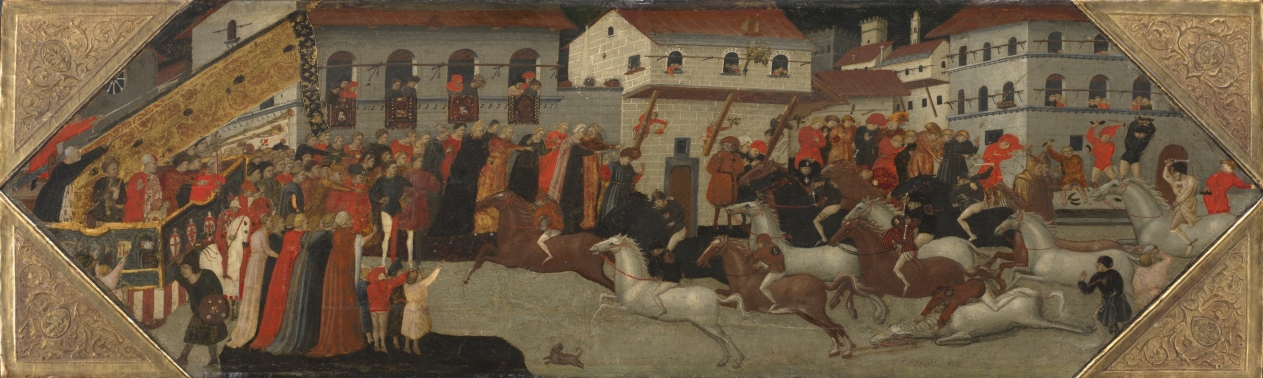
Panel from a Cassone: The Race of the Palio in the Streets of Florence
Giovanni Francesco Toscani · 1418
tempera and gold on wood
CC0
6 shows
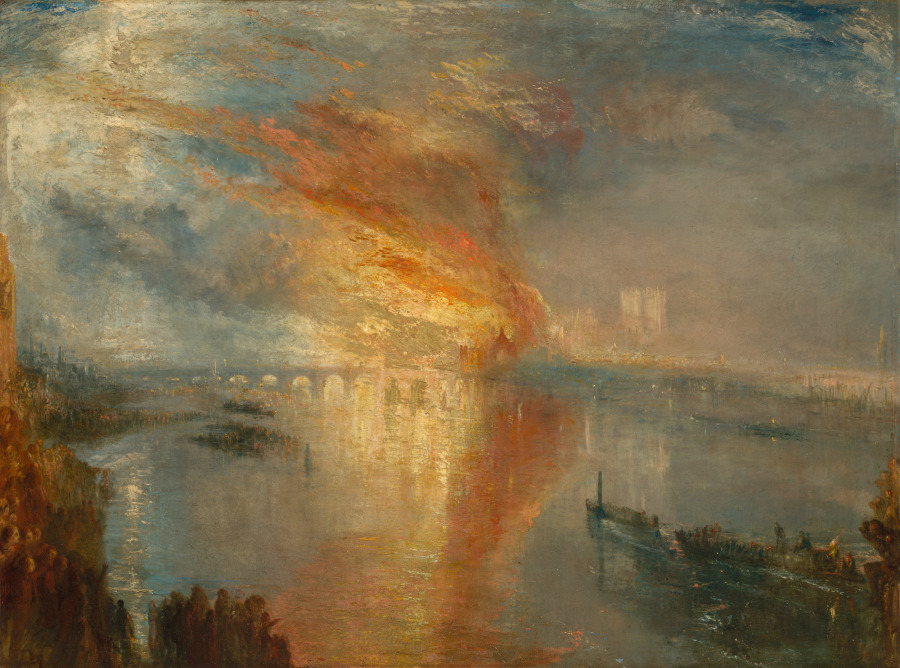
The Burning of the Houses of Lords and Commons, 16 October 1834
Joseph Mallord William Turner · 1835
oil on canvas
CC0
16 shows
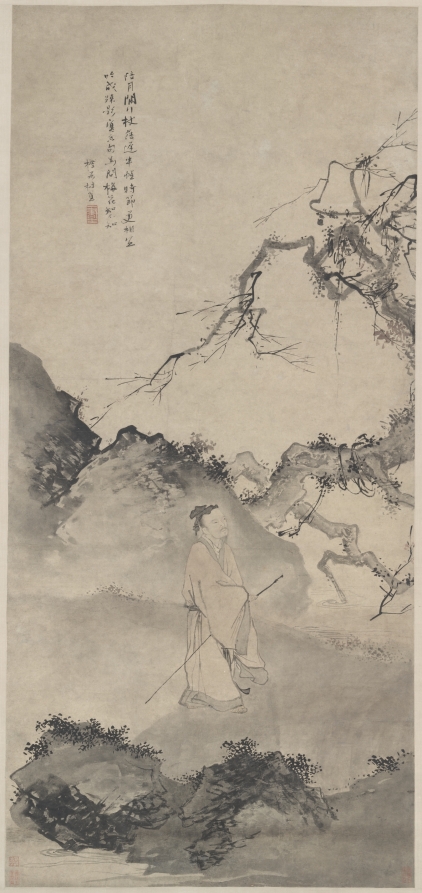
The Poet Lin Bu Wandering in the Moonlight
Du Jin · late 1400s
Hanging scroll; ink and color on paper
CC0
7 shows
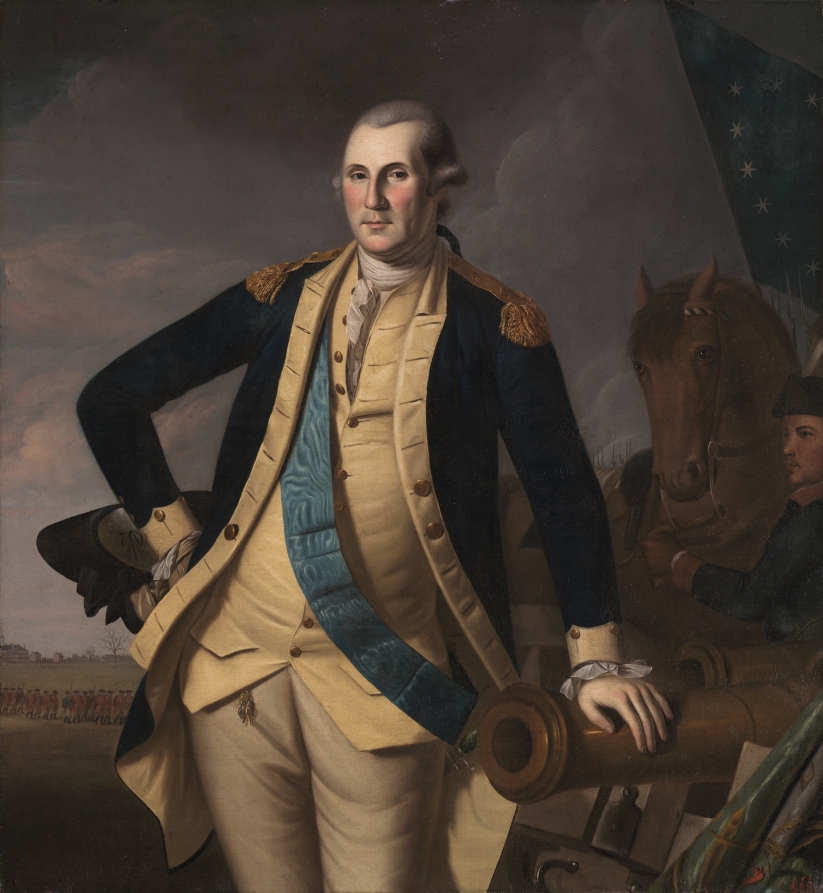
George Washington at Princeton
Charles Willson Peale · c. 1779
oil on canvas
CC0
5 shows
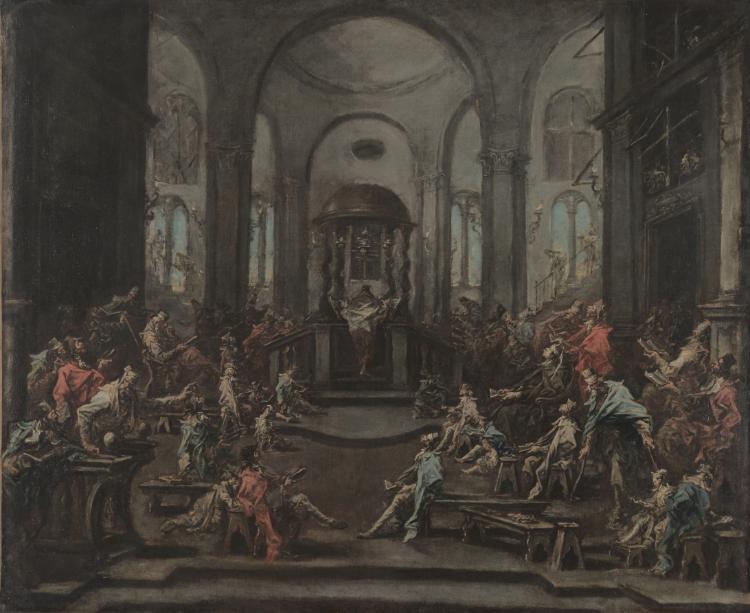
Interior of a Synagogue
Alessandro Magnasco · c. 1725–35
oil on canvas
CC0
5 shows
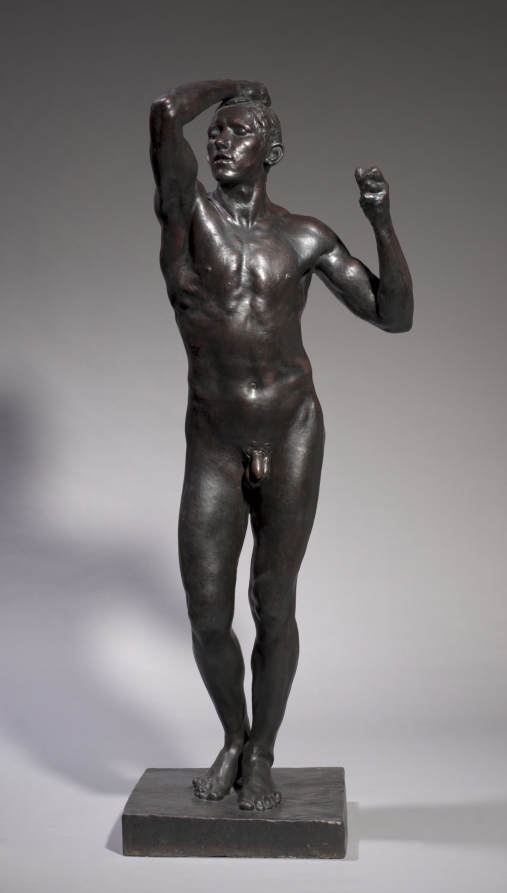
The Age of Bronze
Auguste Rodin · 1875–76
bronze
with base: 182.2 x 66.4 x 47 cm (71 3/4 x 26 1/8 x 18 1/2 in.)
CC0
8 shows
Bibliography
- ◆
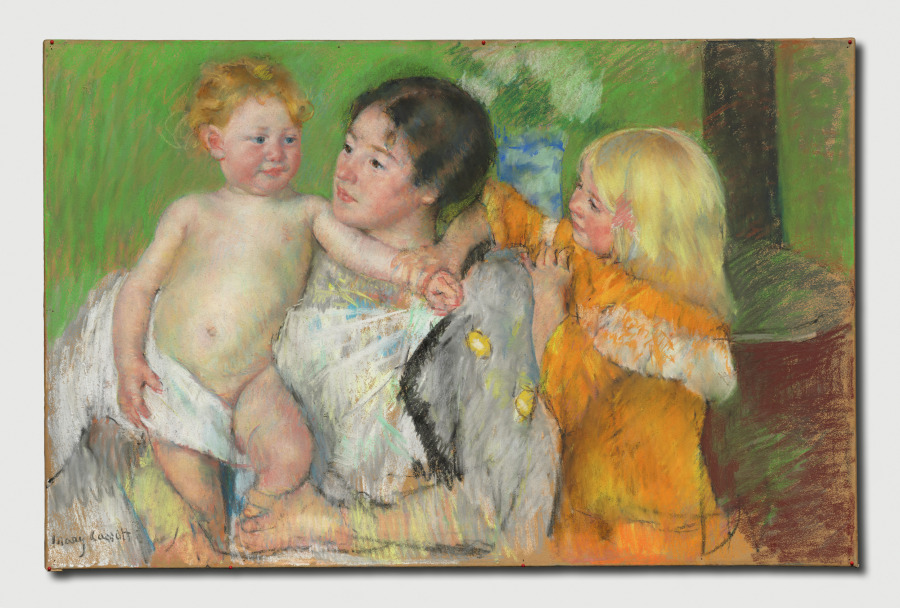
Mary Cassatt, After the Bath, 1901, pastel, Cleveland Museum of Art, Cleveland.
- ◆
Giovanni Francesco Toscani, Panel from a Cassone: The Race of the Palio in the Streets of Florence, 1418, tempera and gold on wood, Cleveland Museum of Art, Cleveland.
- ◆
Joseph Mallord William Turner, The Burning of the Houses of Lords and Commons, 16 October 1834, 1835, oil on canvas, Cleveland Museum of Art, Cleveland.
- ◆
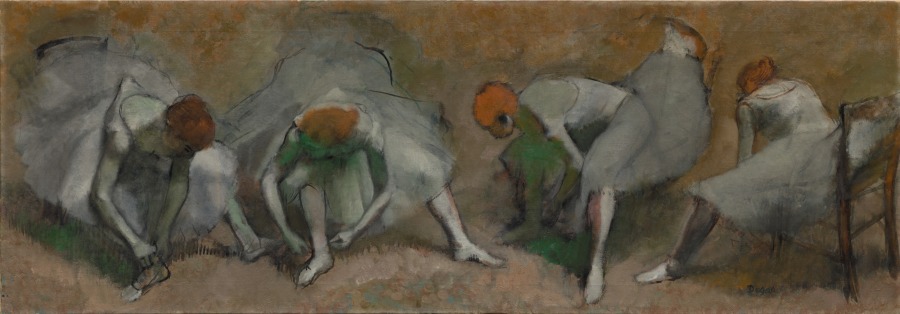
Edgar Degas, Frieze of Dancers, c. 1895, oil on fabric, Cleveland Museum of Art, Cleveland.
- ◆
Du Jin, The Poet Lin Bu Wandering in the Moonlight, late 1400s, Hanging scroll; ink and color on paper, Cleveland Museum of Art, Cleveland.
- ◆
Charles Willson Peale, George Washington at Princeton, c. 1779, oil on canvas, Cleveland Museum of Art, Cleveland.
- ◆
Alessandro Magnasco, Interior of a Synagogue, c. 1725–35, oil on canvas, Cleveland Museum of Art, Cleveland.
- ◆
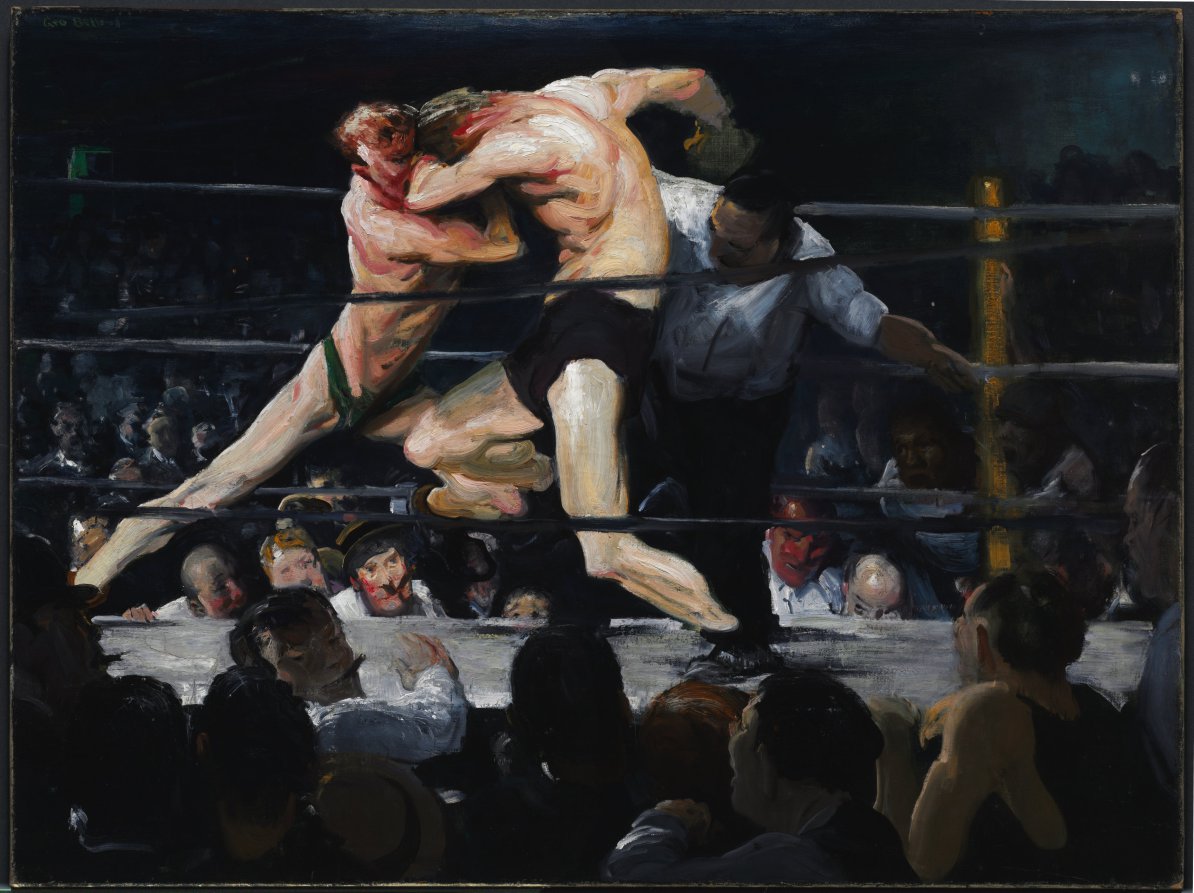
George Bellows, Stag at Sharkey's, 1909, oil on canvas, Cleveland Museum of Art, Cleveland.
- ◆
Auguste Rodin, The Age of Bronze, 1875–76, bronze, Cleveland Museum of Art, Cleveland.
- ◆
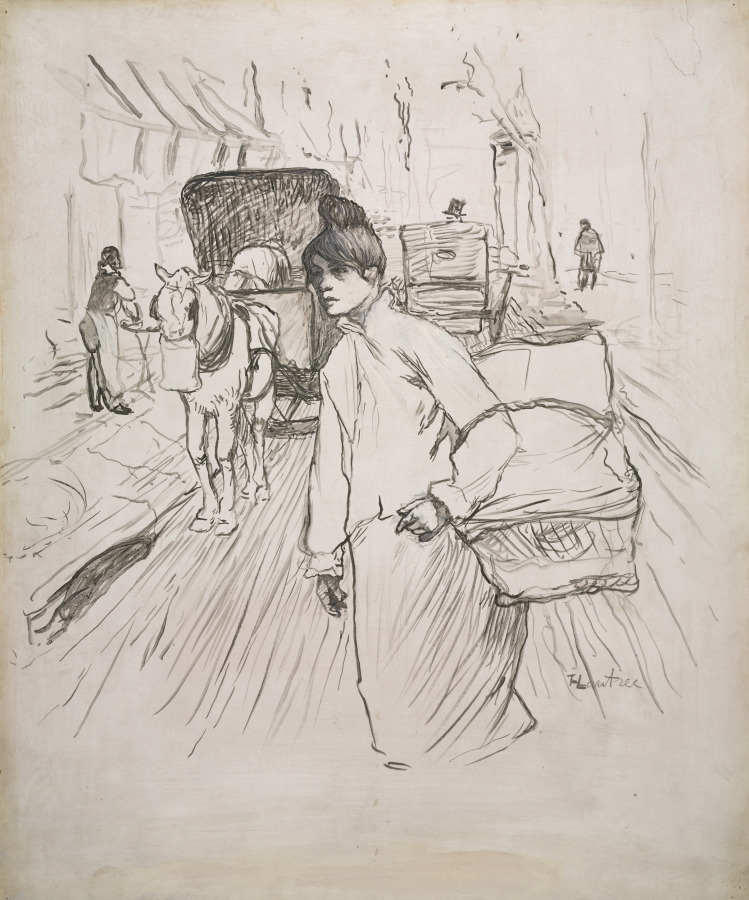
Henri de Toulouse-Lautrec, The Laundress, 1888, black and gray wash with white paint, scratched away in places, on gray cardboard prepared with white ground, Cleveland Museum of Art, Cleveland.
- ◆
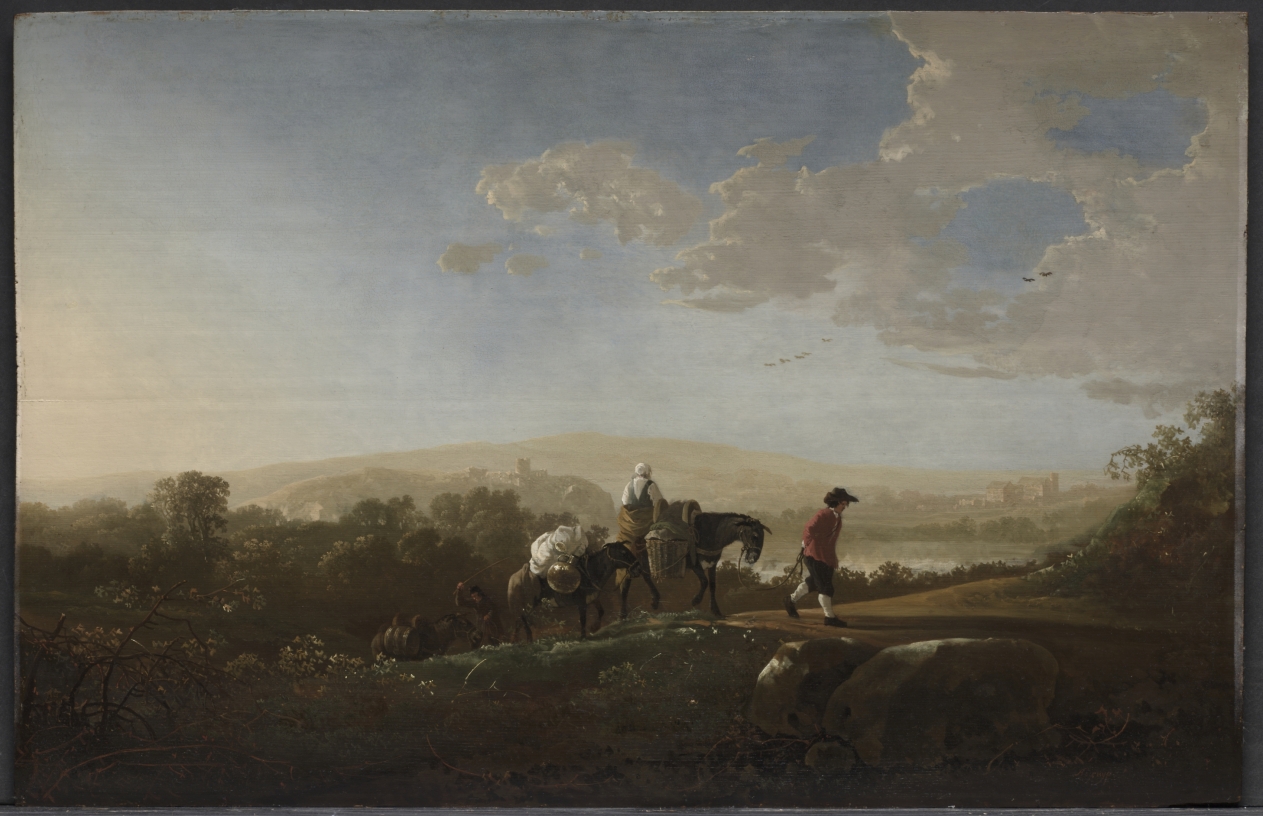
Aelbert Cuyp, Travelers in Hilly Countryside, c. 1650, oil on wood, Cleveland Museum of Art, Cleveland.
- ◆
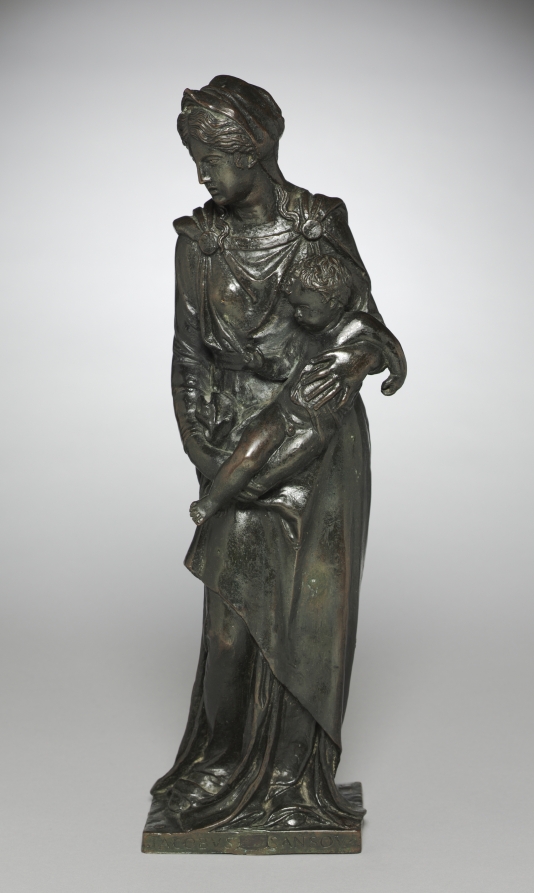
Jacopo Sansovino, Virgin and Child, early 1530s, bronze, Cleveland Museum of Art, Cleveland.
New to exhibition history? Learn why it matters for provenance and art history research →