Exhibition
Drawings in the Classic and Romantic Tradition before 1830
Drawings in the Classic and Romantic Tradition before 1830. The Cleveland Museum of Art, Cleveland, OH (organizer) (December 7, 1932-January 8, 1933).
View this exhibition at the source ↗Cite this exhibition
Drawings in the Classic and Romantic Tradition before 1830. Cleveland Museum of Art, Cleveland. December 6, 1932 – January 7, 1933. Dartabase. https://dartabase.art/exhibitions/8ead6c87-fe95-423e-9557-6d99f13c8a5c.
Works from this exhibition held in Dartabase
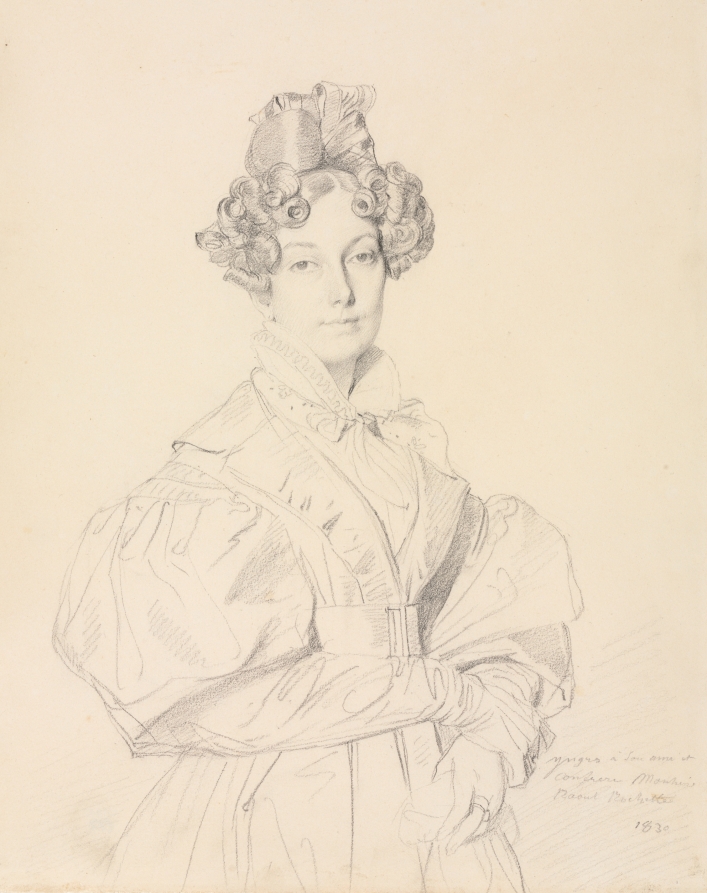
Madame Désiré Raoul-Rochette
Jean Auguste Dominique Ingres · 1830
graphite on cream wove paper
CC0
29 shows
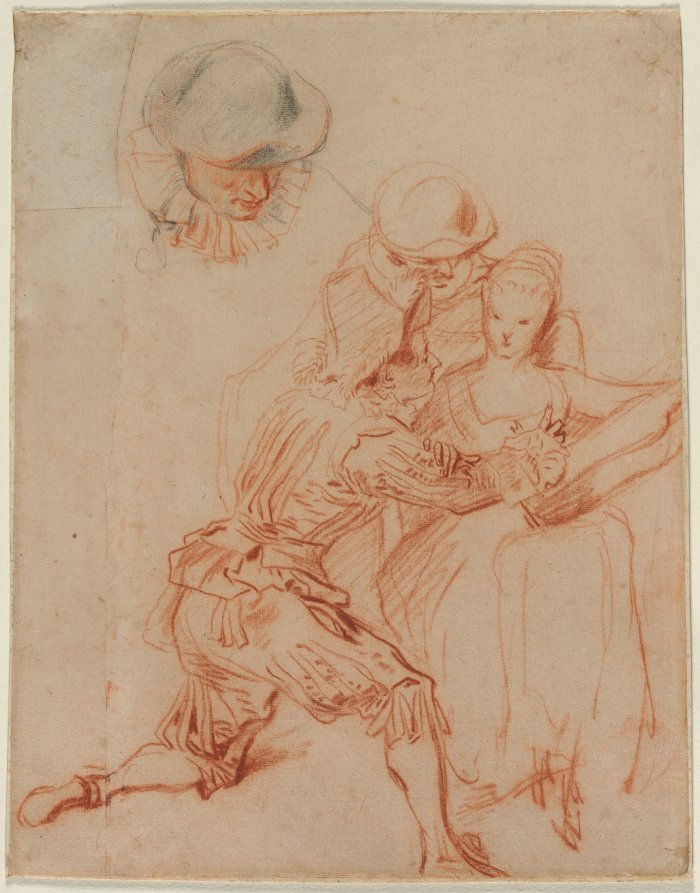
Study for "The Romancer" (Le Conteur)
Jean Antoine Watteau · c. 1716
red chalk; red and black chalk (upper left figure)
CC0
19 shows
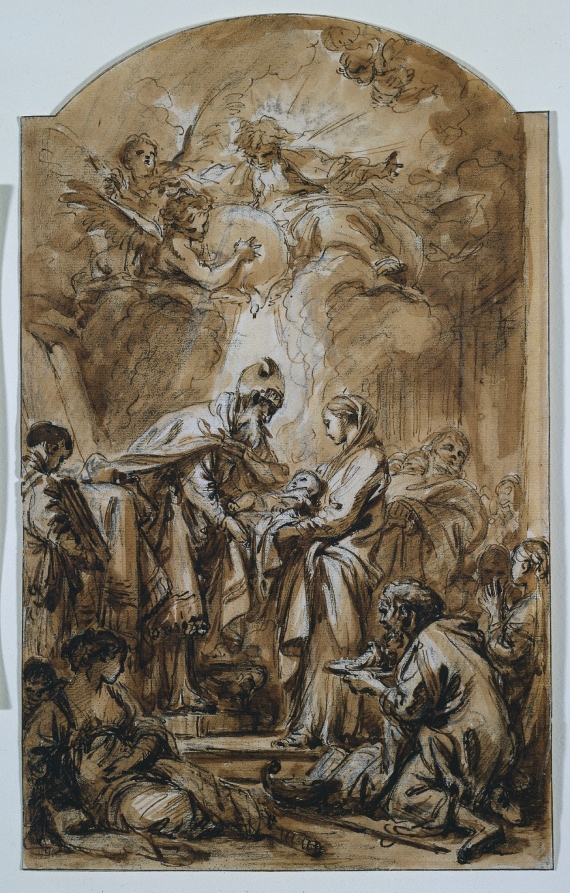
The Presentation in the Temple
François Boucher · c. 1770
pen and brown ink, brush and brown wash, and black chalk, heightened with white paint; framing lines in pen and brown ink
CC0
21 shows
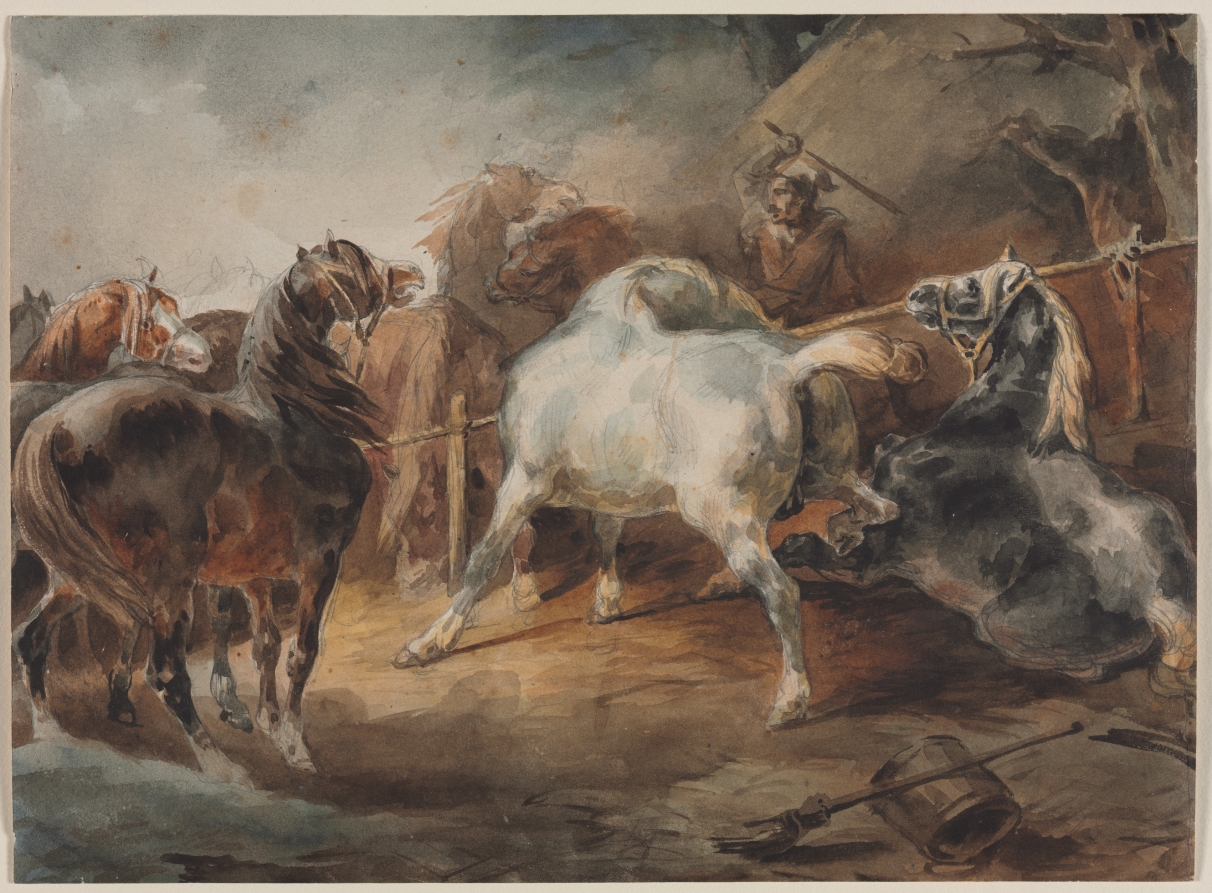
Fighting Horses
Théodore Géricault · c. 1820
watercolor over graphite
CC0
31 shows
Bibliography
- ◆
Jean Auguste Dominique Ingres, Madame Désiré Raoul-Rochette, 1830, graphite on cream wove paper, Cleveland Museum of Art, Cleveland.
- ◆
Jean Antoine Watteau, Study for "The Romancer" (Le Conteur), c. 1716, red chalk; red and black chalk (upper left figure), Cleveland Museum of Art, Cleveland.
- ◆
François Boucher, The Presentation in the Temple, c. 1770, pen and brown ink, brush and brown wash, and black chalk, heightened with white paint; framing lines in pen and brown ink, Cleveland Museum of Art, Cleveland.
- ◆
Théodore Géricault, Fighting Horses, c. 1820, watercolor over graphite, Cleveland Museum of Art, Cleveland.
- ◆
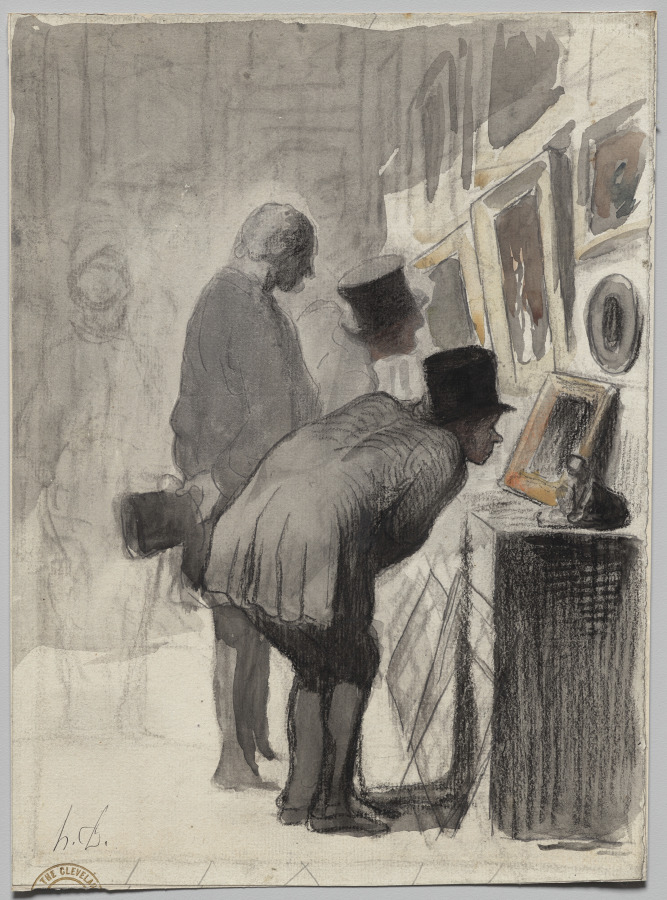
Honoré Daumier, Art Lovers, c. 1863, Gray and black wash, charcoal, and graphite, with watercolor, on cream laid paper, Cleveland Museum of Art, Cleveland.
- ◆
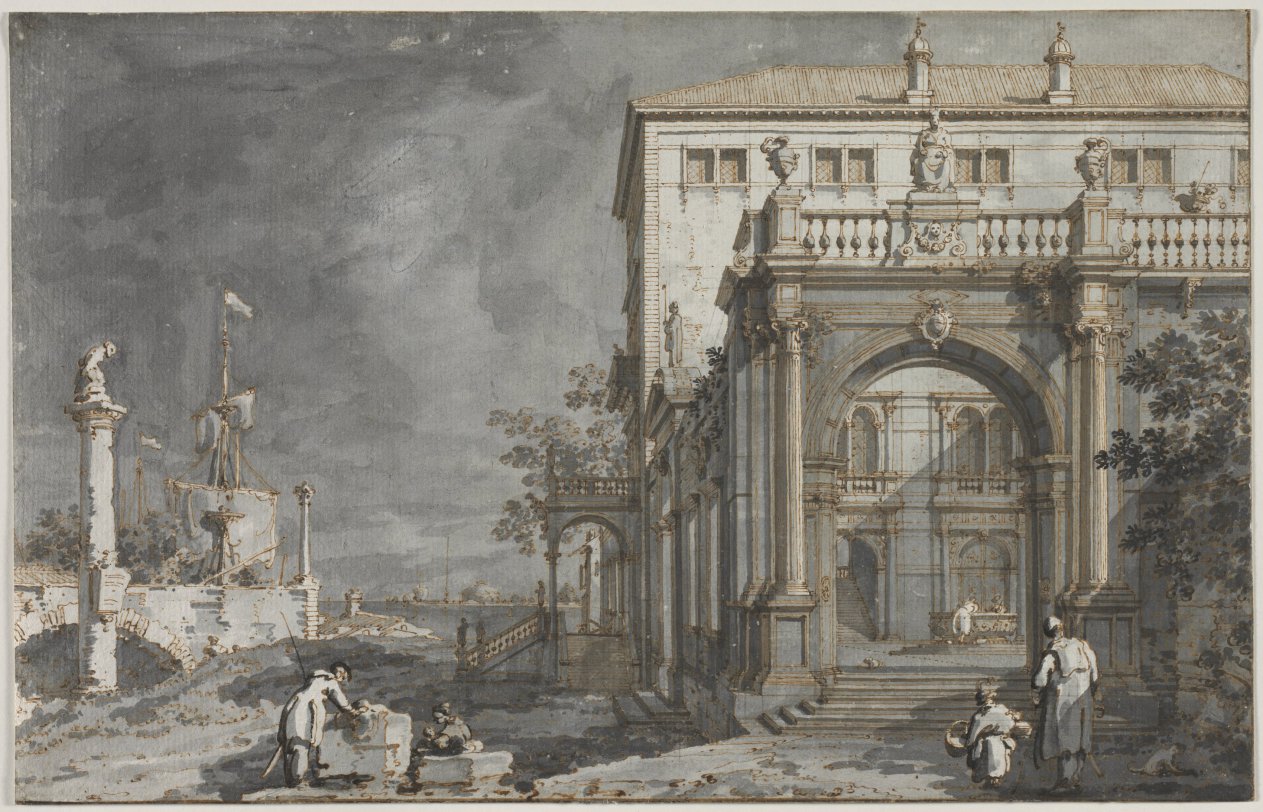
Canaletto, Capriccio: A Palace with a Courtyard by the Lagoon, c. 1750–55, pen and brown ink and brush and gray and black washes over traces of graphite (?); framing lines in pen and brown and black ink, Cleveland Museum of Art, Cleveland.
New to exhibition history? Learn why it matters for provenance and art history research →