Exhibition
Italian Drawings from the Permanent Collection
Italian Drawings from the Permanent Collection. The Cleveland Museum of Art, Cleveland, OH (organizer) (December 16, 1986-March 1, 1987).
View this exhibition at the source ↗Cite this exhibition
Italian Drawings from the Permanent Collection. Cleveland Museum of Art, Cleveland. December 15, 1986 – February 28, 1987. Dartabase. https://dartabase.art/exhibitions/0237baf9-3b3f-4477-a4b8-d9466bcf2a9a.
Works from this exhibition held in Dartabase
![Various Sketches of the Madonna and Child (recto); Architectural Studies (verso) [partially visible on recto], Paolo Veronese, c. 1570, pen and brown ink (iron gall) and brush and brown wash](https://openaccess-cdn.clevelandart.org/1939.670/1939.670_web.jpg)
Various Sketches of the Madonna and Child (recto); Architectural Studies (verso) [partially visible on recto]
Paolo Veronese · c. 1570
pen and brown ink (iron gall) and brush and brown wash
CC0
13 shows
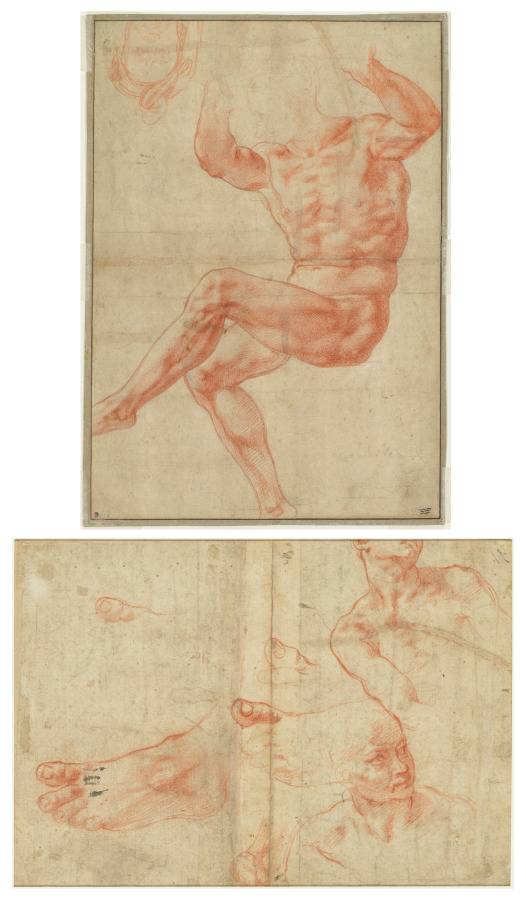
Study for the Nude Youth over the Prophet Daniel (recto); Figure Studies for the Sistine Ceiling (verso)
Michelangelo Buonarroti · 1510–11
red chalk over black chalk or charcoal
CC0
24 shows
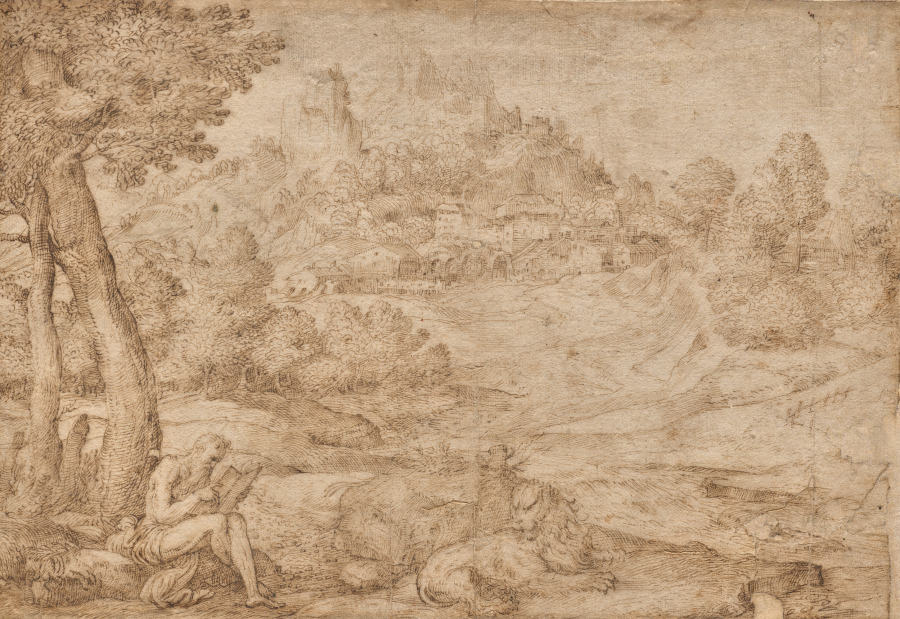
Saint Jerome in a Landscape
Domenico Campagnola · c. 1530
pen and brown ink
CC0
11 shows
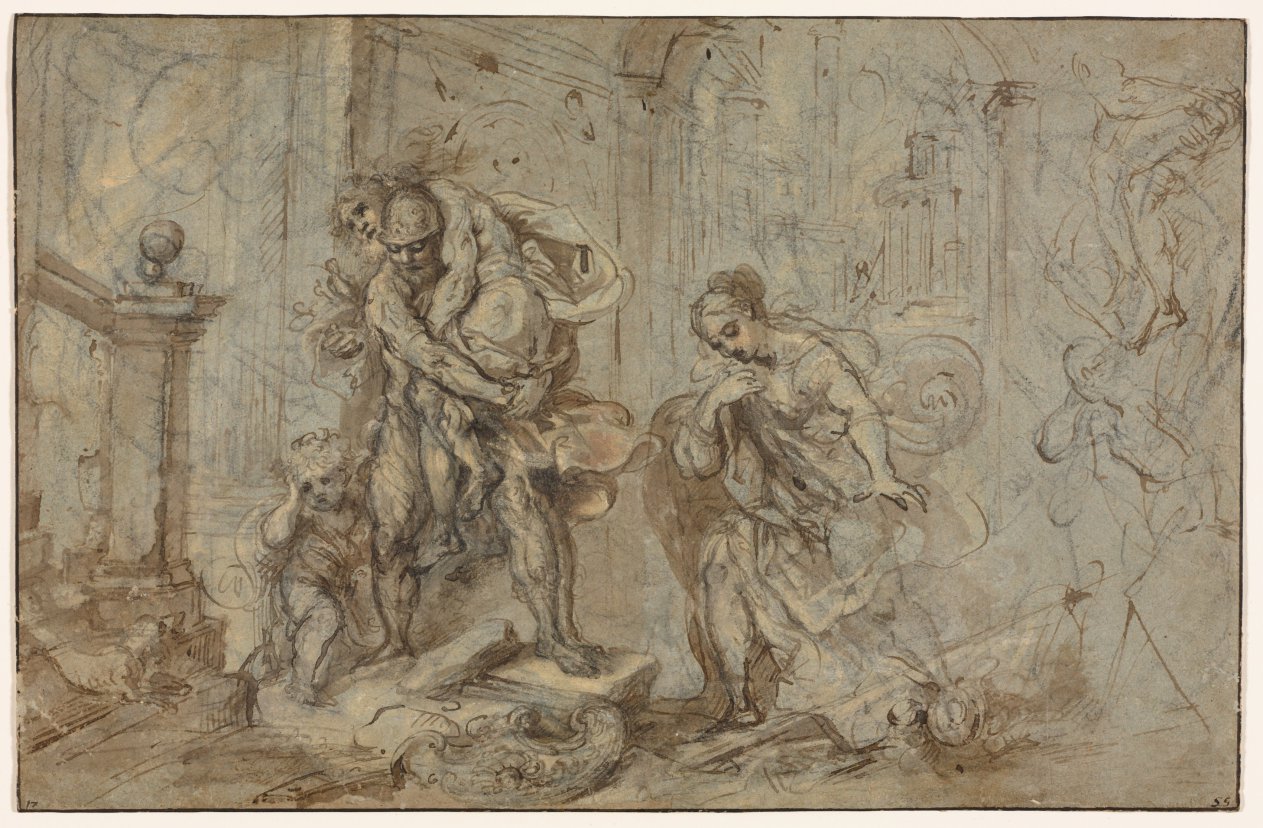
Aeneas Saving Anchises at the Fall of Troy
Federico Barocci · 1587–88
Pen and brown ink, brush and brown wash and yellow gouache heightened with traces of white, over black chalk, with stylus (banister); framing lines in pen and brown ink
CC0
18 shows
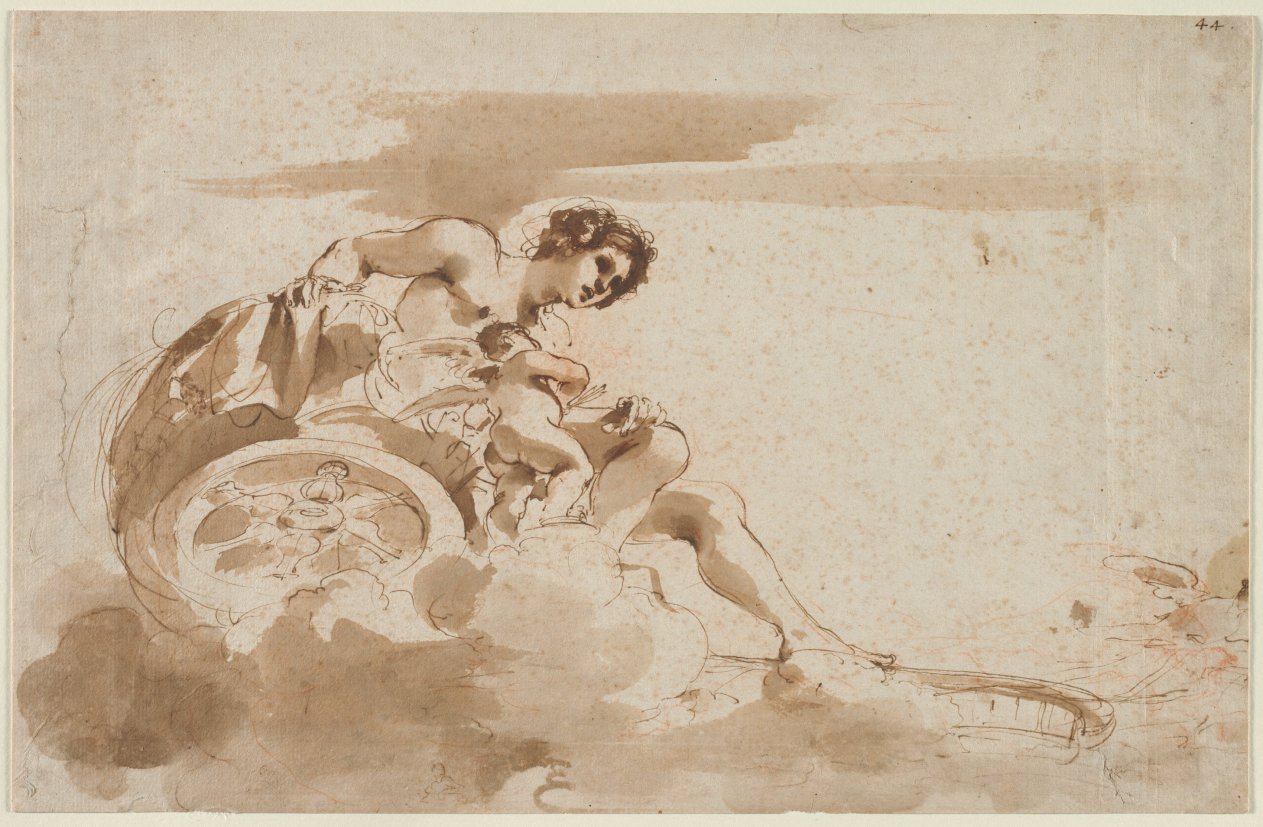
Venus and Cupid in a Chariot
Guercino · 1615–17
Pen and brown ink and brush and brown wash over red chalk
CC0
28 shows
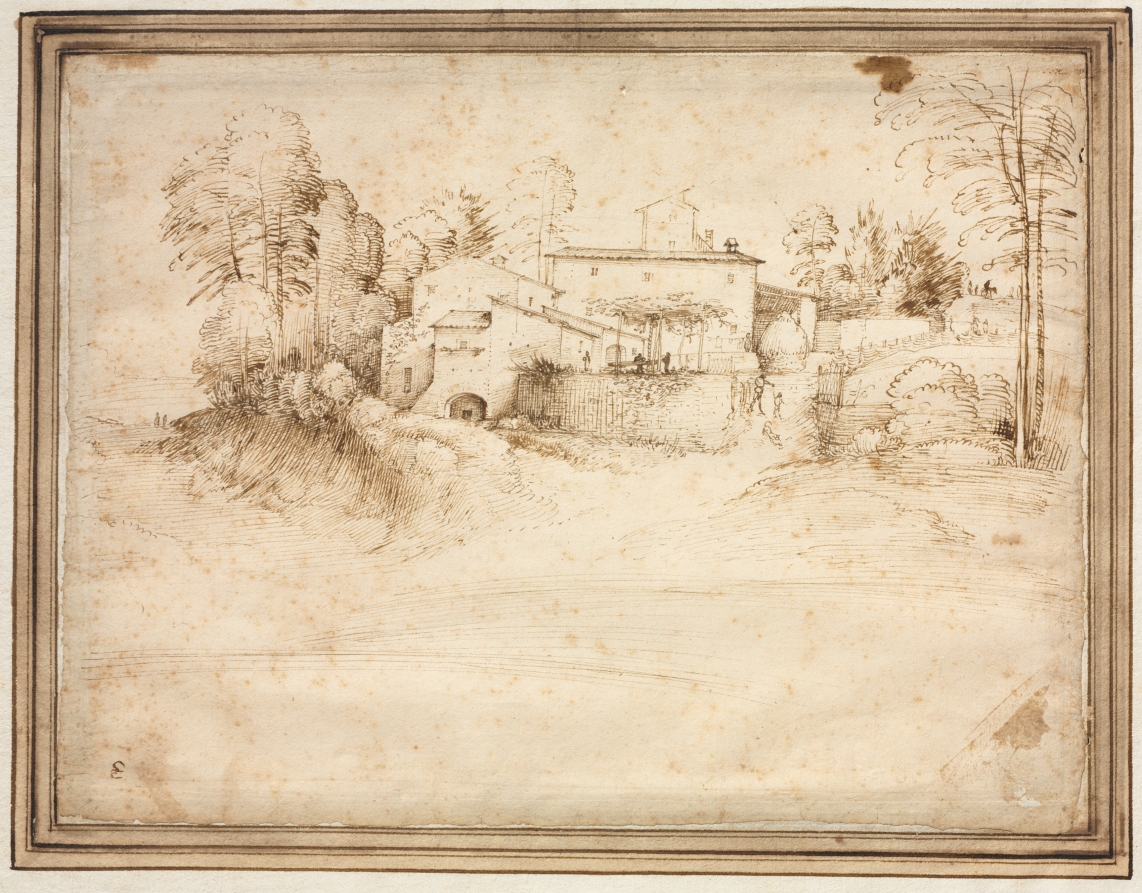
Farmhouse on the Slope of a Hill
Fra Bartolommeo · c. 1508
pen and brown ink
CC0
21 shows
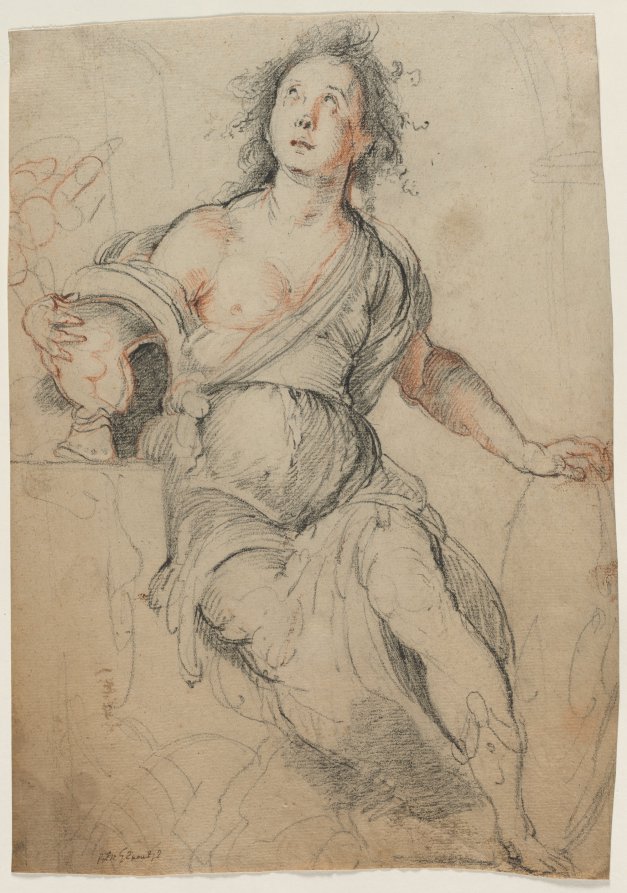
Allegorical Figure
Bernardo Strozzi · c. 1635
black chalk with red chalk
CC0
18 shows
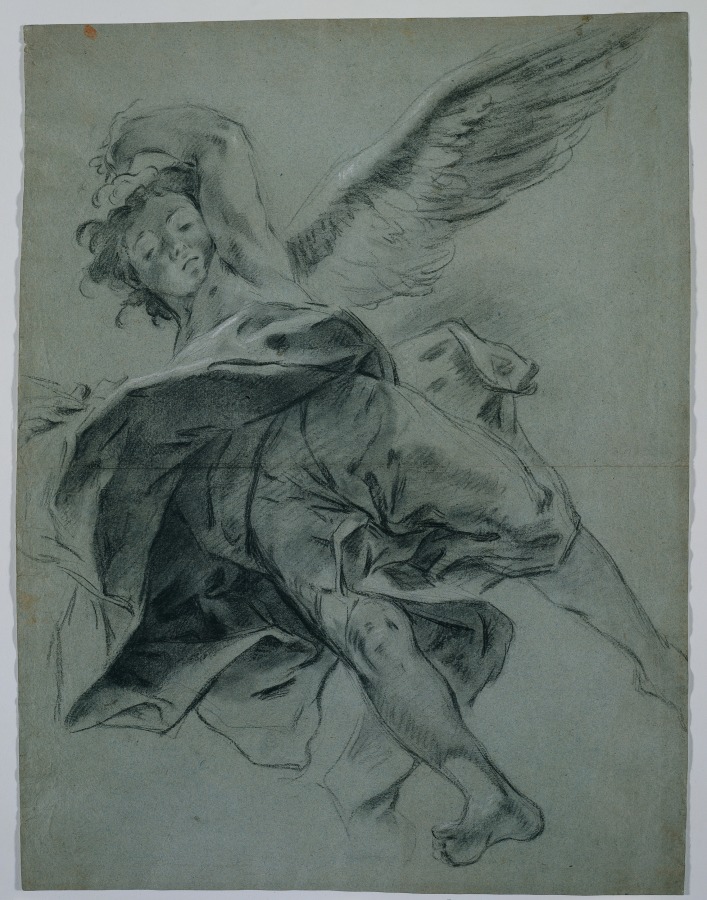
A Flying Angel (recto); Studies of Hands Playing Instruments (verso)
Giovanni Battista Piazzetta · 1723–27
black chalk heightened with traces of white chalk
CC0
14 shows
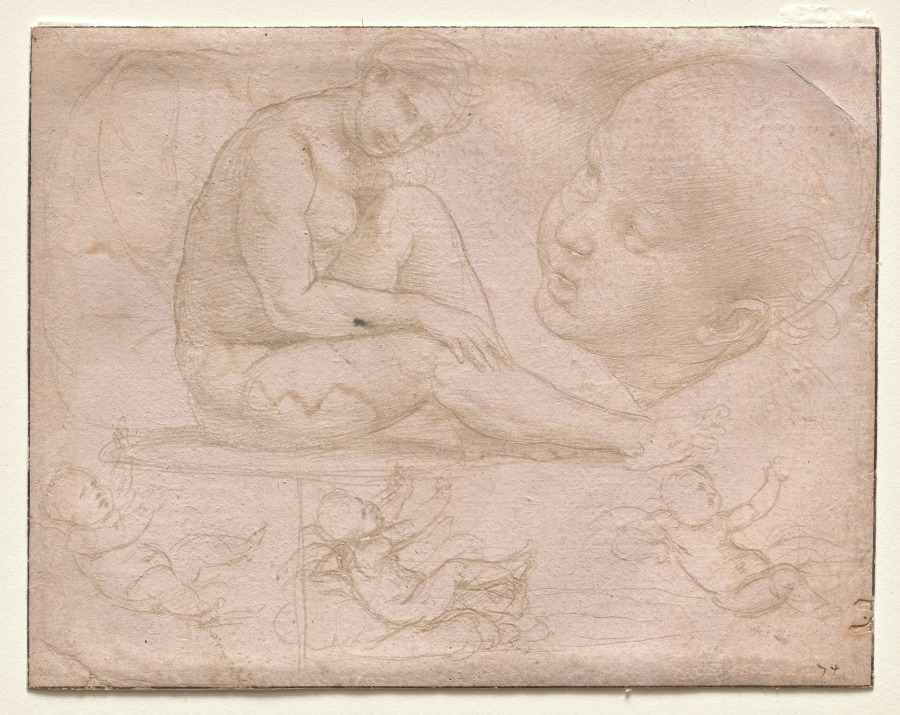
Studies of a Seated Female, Child's Head, and Three Studies of a Baby
Raphael · c. 1507–8
metalpoint
CC0
11 shows
Bibliography
- ◆
Paolo Veronese, Various Sketches of the Madonna and Child (recto); Architectural Studies (verso) [partially visible on recto], c. 1570, pen and brown ink (iron gall) and brush and brown wash, Cleveland Museum of Art, Cleveland.
- ◆
Michelangelo Buonarroti, Study for the Nude Youth over the Prophet Daniel (recto); Figure Studies for the Sistine Ceiling (verso), 1510–11, red chalk over black chalk or charcoal, Cleveland Museum of Art, Cleveland.
- ◆
Domenico Campagnola, Saint Jerome in a Landscape, c. 1530, pen and brown ink, Cleveland Museum of Art, Cleveland.
- ◆
Federico Barocci, Aeneas Saving Anchises at the Fall of Troy, 1587–88, Pen and brown ink, brush and brown wash and yellow gouache heightened with traces of white, over black chalk, with stylus (banister); framing lines in pen and brown ink, Cleveland Museum of Art, Cleveland.
- ◆
Guercino, Venus and Cupid in a Chariot, 1615–17, Pen and brown ink and brush and brown wash over red chalk, Cleveland Museum of Art, Cleveland.
- ◆
Fra Bartolommeo, Farmhouse on the Slope of a Hill, c. 1508, pen and brown ink, Cleveland Museum of Art, Cleveland.
- ◆
Bernardo Strozzi, Allegorical Figure, c. 1635, black chalk with red chalk , Cleveland Museum of Art, Cleveland.
- ◆
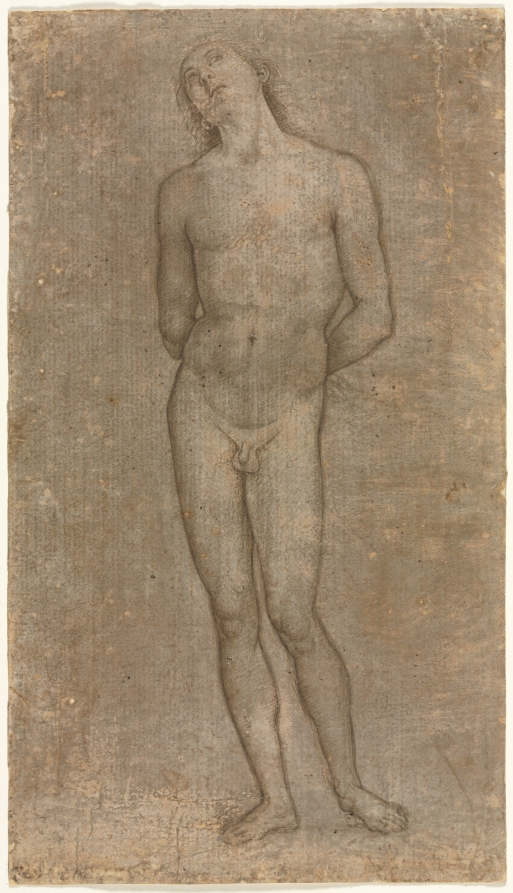
Pietro Perugino, Saint Sebastian, c. 1493, metalpoint, Cleveland Museum of Art, Cleveland.
- ◆
Giovanni Battista Piazzetta, A Flying Angel (recto); Studies of Hands Playing Instruments (verso), 1723–27, black chalk heightened with traces of white chalk, Cleveland Museum of Art, Cleveland.
- ◆
Raphael, Studies of a Seated Female, Child's Head, and Three Studies of a Baby, c. 1507–8, metalpoint, Cleveland Museum of Art, Cleveland.
- ◆
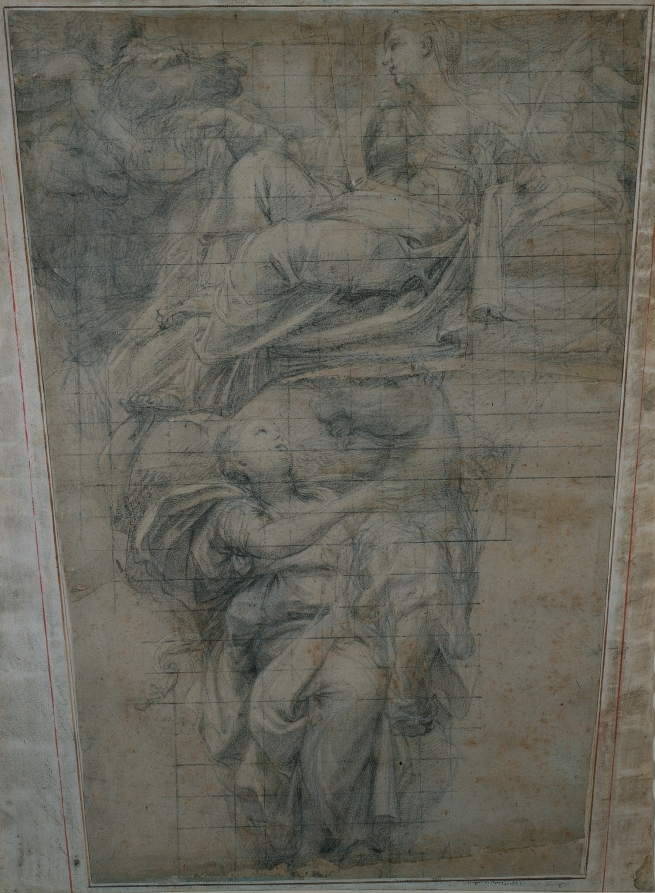
Domenichino, Temperance, 1628–30, black chalk heightened with white chalk, squared with black chalk, Cleveland Museum of Art, Cleveland.
- ◆
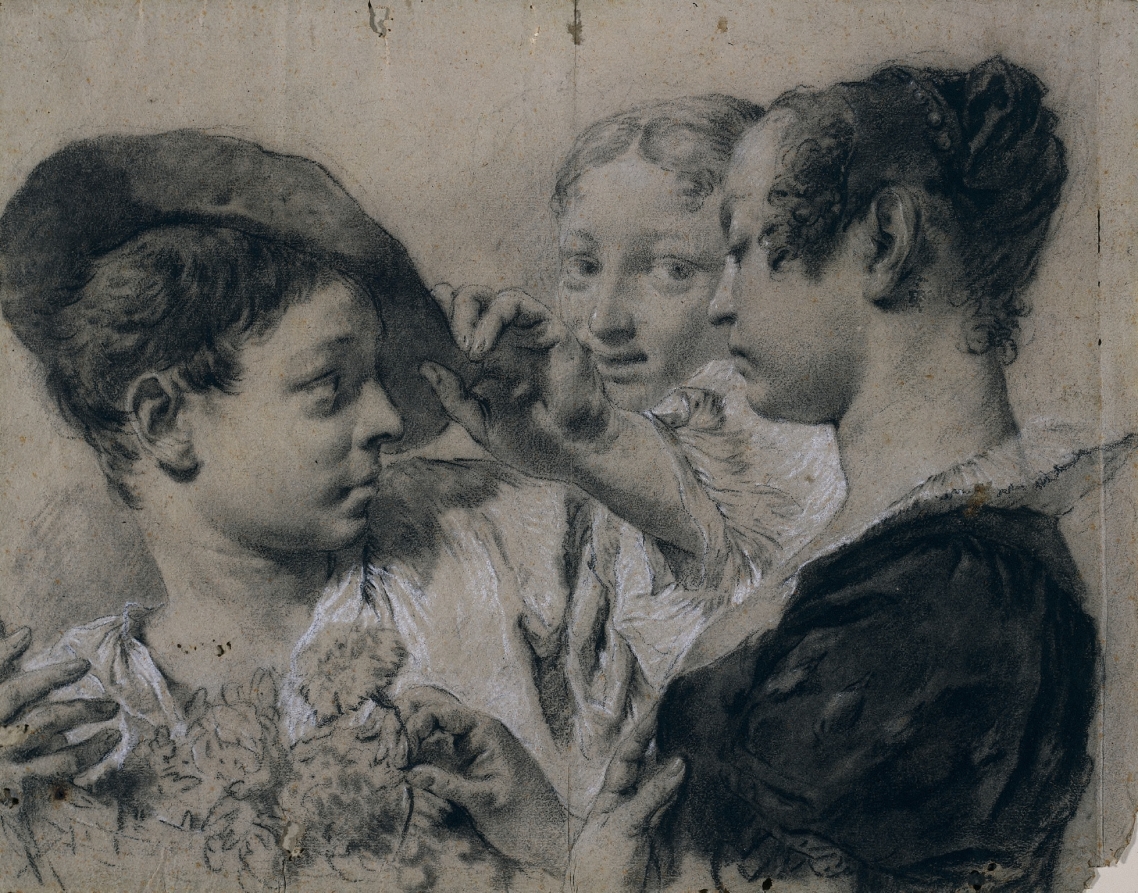
Giovanni Battista Piazzetta, A Young Woman Buying a Pink from a Young Man, c. 1740, black crayon (wetted and rubbed) heightened with white chalk on faded blue paper, Cleveland Museum of Art, Cleveland.
New to exhibition history? Learn why it matters for provenance and art history research →